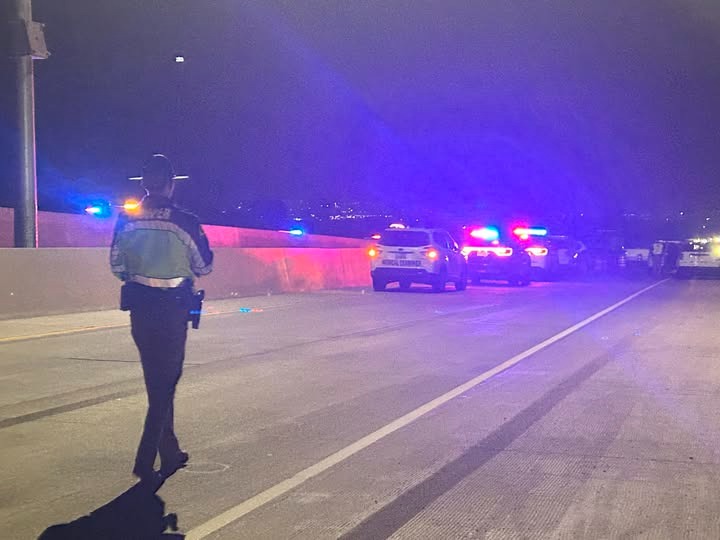
A tense situation unfolded at Naval Station Great Lakes after reports of a possible shooting prompted a lockdown and a significant police presence. While early information remained unconfirmed, the response highlighted the seriousness with which authorities treat any potential threat on a military installation.
The base, which serves as the United States Navy’s primary training facility, is a highly secure environment where thousands of recruits and personnel live and work each day. When reports of gunfire or a potential shooting emerge in such a setting, immediate precautionary measures are standard. Lockdowns are designed to contain any possible threat, protect personnel, and allow law enforcement to assess the situation without additional risk.
Witness accounts and early alerts suggested heightened activity, including emergency responders and restricted movement across the base. However, as is often the case in rapidly developing incidents, initial reports can be unclear or even inaccurate. Authorities typically urge the public to avoid speculation until verified information is released.
Past incidents at the same installation help explain the urgency of the response. In 2025, a fatal shooting at a firing range on the base prompted a large emergency reaction, though it was later determined not to involve an active shooter scenario. Such events demonstrate how quickly situations can escalate and why officials act decisively even when details are still emerging.
Lockdowns on military bases are not uncommon during perceived threats. They involve restricting entry and exit points, securing buildings, and coordinating between base security and local law enforcement. These protocols are part of broader safety systems designed to handle everything from accidental incidents to potential security breaches.
For families of service members and recruits, news of a lockdown can be especially distressing. Communication is often limited during such events, which can heighten anxiety. Officials typically work to restore normal operations as quickly as possible once a threat is ruled out or contained.
At this stage, the key issue remains the lack of confirmed details regarding the reported shooting. Whether the situation involved an actual firearm discharge, a misunderstanding, or another type of incident, the strong response reflects a commitment to safety above all else.
As investigations continue, authorities are expected to provide clarity on what occurred. Until then, the incident serves as a reminder of both the unpredictable nature of emergencies and the importance of rapid, coordinated responses in protecting lives.